
Our company is deeply committed to the environment, and therefore carries out its artisanal work in a sustainable manner.
Below are some of the measures we implement to ensure our operations are sustainable.
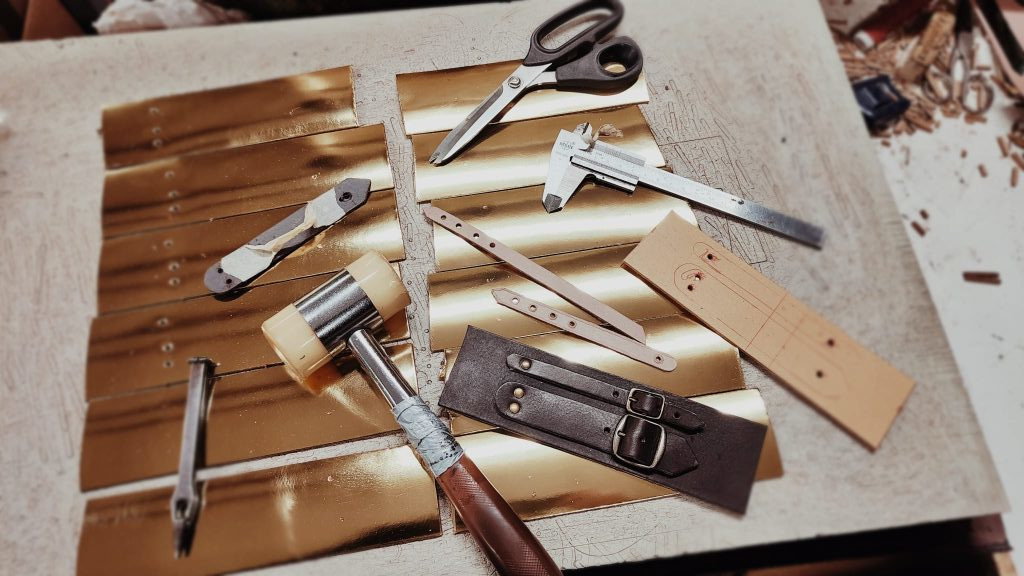
Vegetable tanning
Vegetable tanning is undoubtedly the most eco-friendly method of tanning; it relies primarily on the use of bovine hides sourced from the food industry. The plant-based tannins used in the process are derived from natural sources such as trees, ensuring that no heavy metals such as chromium and nickel are present. The sludge residues generated during the tanning process can easily be recovered and reused, and the hair removed from the raw hides can be used as fertiliser.
Among other benefits, vegetable tanning makes leather more durable over time. Once the leather has reached the end of its life cycle, it can be disposed of more easily.
Use of carnauba wax
Carnauba wax is a natural substance derived from the leaves and buds of the carnauba palm tree. It is combined with pure beeswax and natural colourants. It is renowned for its glossy finish and water-resistant, preservative and emollient properties, and is completely hypoallergenic.
Not only does a natural wax such as carnauba wax ensure a product’s protection and longevity, it also represents the best sustainable alternative.
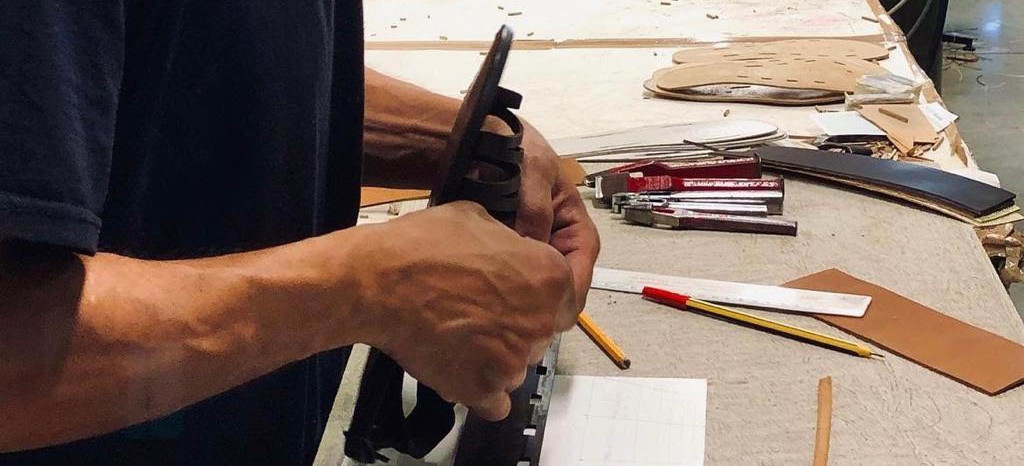
Nickel-free metal accessories
The REACH regulation prohibits the sale of products that exceed the established limits for nickel release. To prevent allergic contact reactions and reduce environmental impact, it is essential to choose ‘nickel-free’ items.
Packaging made from recycled paper and cardboard
Cardboard is undoubtedly the most popular material for eco-friendly packaging. It is strong and durable, and can be produced in an ethical and sustainable way. Above all, it is a responsible choice because, even if it is not initially made from recycled material, it can still undergo 80% biological degradation.
Sorting waste enables the recovery of value from paper and cardboard. This transforms waste into a raw material that can be reintroduced into the production cycle to create new paper, which is then used to manufacture packaging.